

 Tiếng Việt
Website development outsourcing in 2026 is rarely a simple request to “build a site.” For CTOs, Product Owners, Business Analysts, and IT leaders across ASEAN, website development outsourcing is a delivery decision with operational consequences: timeline predictability, quality gates, security posture, SEO continuity, analytics accuracy, and long-term ownership.
When website development outsourcing goes well, you get a controlled scope, visible progress, verifiable QA evidence, and a launch that your internal team can operate and evolve. When website development outsourcing goes poorly, the cost appears later as scope creep, delayed UAT, unstable releases, security gaps, and vendor dependency that slows every future change.
This guide explains what you should expect from website development outsourcing in 2026: what deliverables matter, how a realistic timeline is structured, which factors reshape budget fastest, what roles are essential, what risks appear most often, and how acceptance criteria should be defined so UAT sign-off is objective.
A practical note for ASEAN product teams: mobile expectations and data expectations have become baseline requirements, not nice-to-haves. If your stakeholders still treat mobile as “responsive layout only,” it is worth aligning early on what mobile-first actually implies for user journeys, performance, and content behavior. The framing in Mobile-First: The Strategic Imperative for Digital Products in a Mobile-Driven Market is useful when you need to translate “mobile-first” into concrete delivery requirements for website development outsourcing.
What you should receive from website development outsourcing
The biggest misunderstanding in website development outsourcing is assuming the deliverable is “a website.” The real deliverable is a combination of build outputs and decision artifacts that make delivery predictable. If a vendor only talks about pages, design files, and code, you are missing the controls that prevent confusion and rework.

In strong website development outsourcing engagements, you should receive:
A clear scope boundary statement that defines what is included, what is excluded, and what depends on inputs from your team
A backlog that can be delivered incrementally, not a single “big bang” delivery plan
Acceptance criteria that turn requirements into testable outcomes
A delivery plan with review and approval cadence
Design outputs that are buildable and testable
Engineering outputs that protect ownership and operability
QA outputs that provide evidence, not reassurance
These are not bureaucratic extras. In website development outsourcing, these are the mechanisms that keep timeline, cost, and quality under control.
Discovery outputs that prevent week-two failure
A common failure pattern in website development outsourcing is that teams start building with ambiguous requirements, and the first real alignment happens after two weeks, when stakeholders see a demo and disagree on what was meant. The fastest way to reduce this failure is to require a structured discovery output before engineering begins.
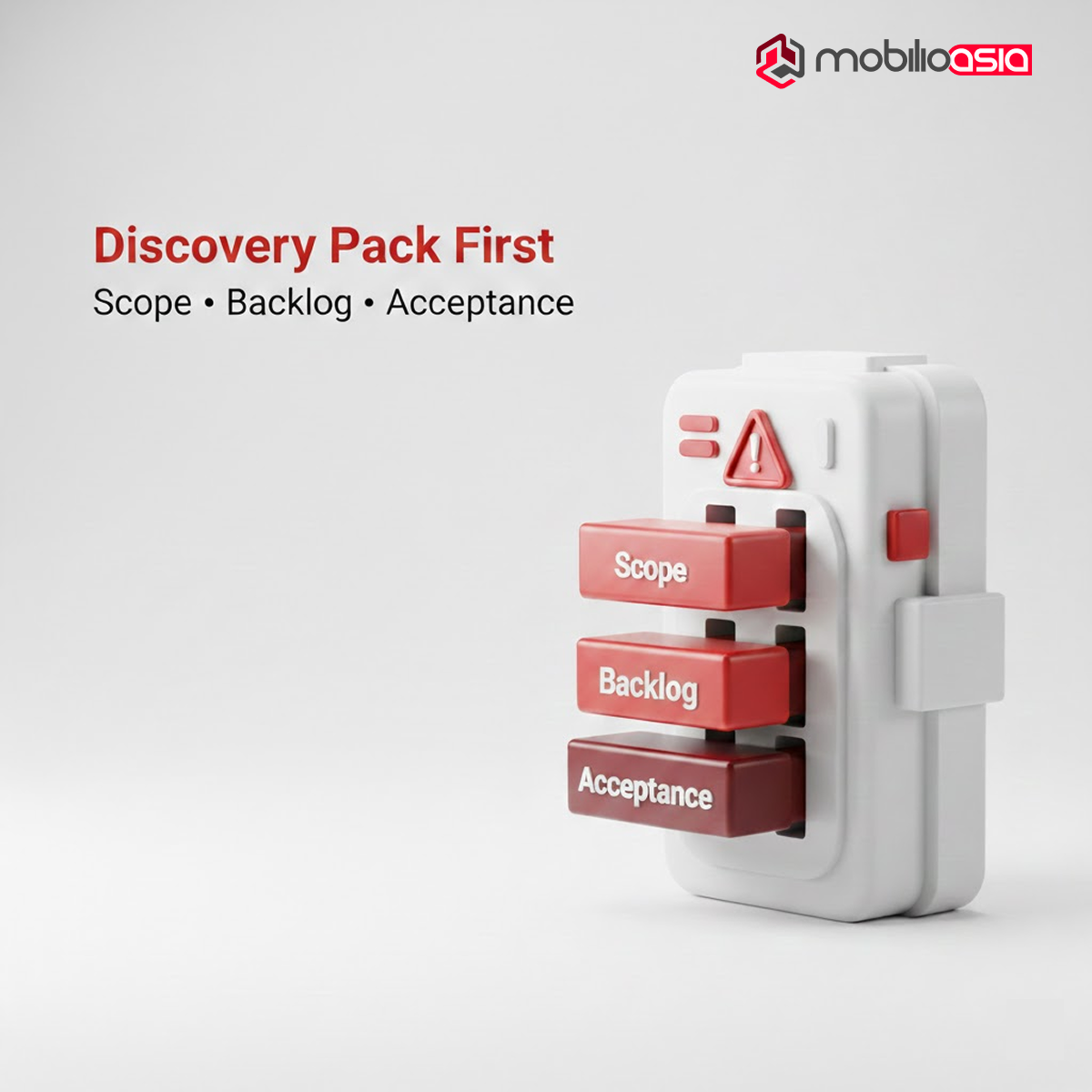
Discovery should produce three things that matter to a CTO or PO:
First, scope boundaries. Your vendor should write a plain-language definition of in-scope items and out-of-scope items. This should include page types, key user journeys, CMS requirements, integrations, analytics and tracking expectations, multilingual behavior, and content responsibilities. Out-of-scope must be explicit enough that change requests do not turn into arguments.
Second, a prioritized backlog with estimates. Not a vague list, but a backlog that supports trade-offs. In website development outsourcing, every timeline becomes a negotiation between scope and quality. A prioritized backlog with estimates gives you a rational way to de-scope safely rather than cutting corners late.
Third, acceptance criteria for critical flows. Your most important flows must be defined in a way that QA can test and business can approve. If your vendor cannot show acceptance criteria examples early, UAT will become subjective and slow.
If your site is drifting into workflow-heavy features such as role permissions, approvals, exports, and audit logs, you are no longer building “just a website.” You are building a product-like system that requires stronger governance. The transition is explained clearly in What Is Custom Software Development? When Off-the-Shelf Fails, and it is a helpful reference when aligning stakeholders on why website development outsourcing sometimes needs custom software discipline.
Design deliverables that are buildable and testable
In website development outsourcing, design is not only visual polish. Design defines behavior, content structure, component states, and responsive rules. A strong vendor should provide wireframes that confirm hierarchy and content logic, a UI kit that defines reusable components, a prototype that validates key flows, and a handoff package that reduces ambiguity for development and QA.
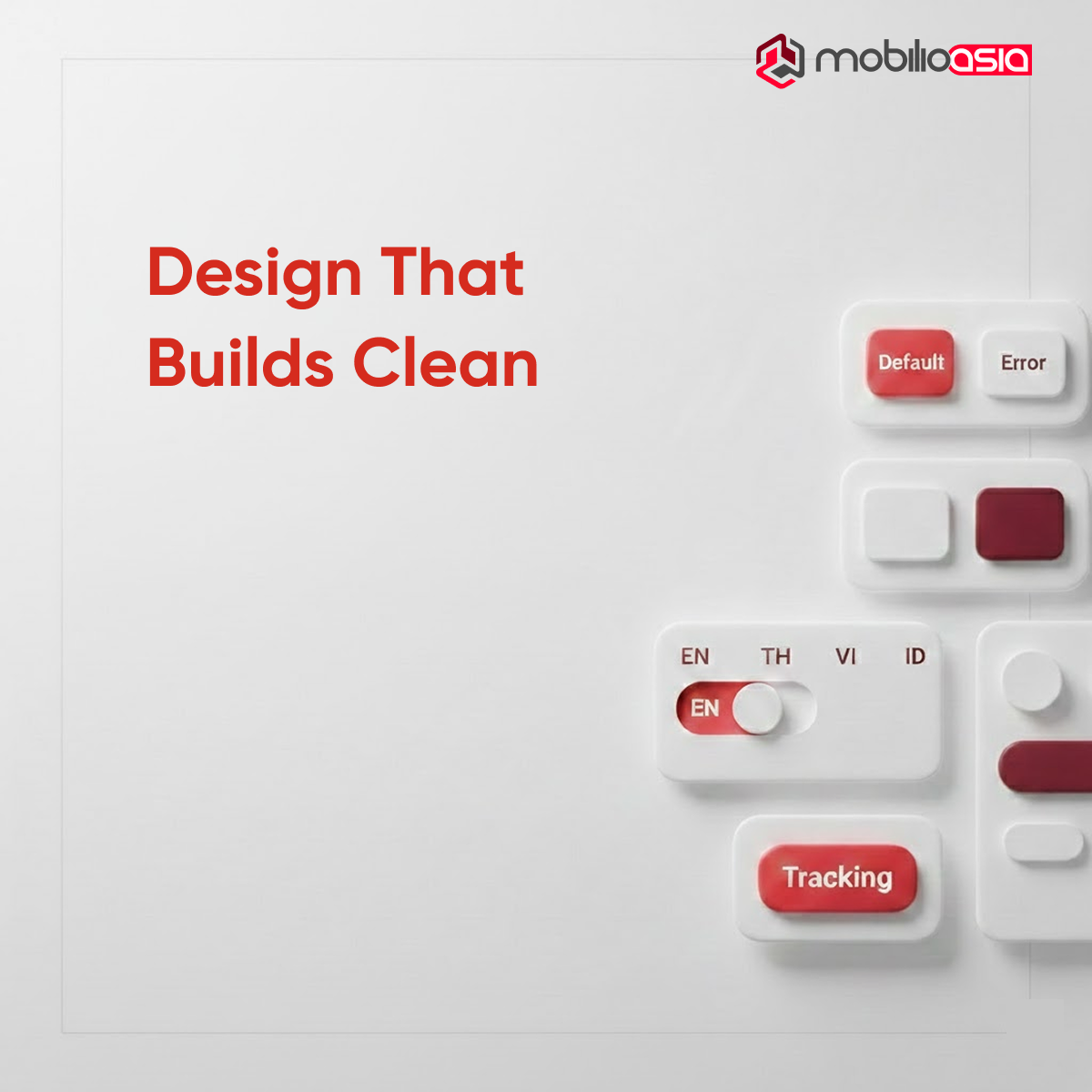
For ASEAN teams, multilingual delivery often changes UI and CMS behavior more than expected. Language switching rules, navigation structure, content governance, and SEO signals must be defined early, not discovered late in QA. If multilingual is in scope, it should appear in discovery scope boundaries, design decisions, development plan, and QA test plan.
Many teams also underestimate analytics requirements during website development outsourcing. If you want reliable reporting, attribution, and funnel measurement, define it early so the vendor builds tracking in a structured way. The strategy angle is covered in AI-powered Analytics: The Strategic Lever in an Uncertain Market, which can help you justify why analytics instrumentation should be treated as a deliverable, not an afterthought.
Development deliverables that protect ownership
Website development outsourcing must end with your organization owning the system. That includes code, environments, accounts, and documentation. At minimum, you should receive:
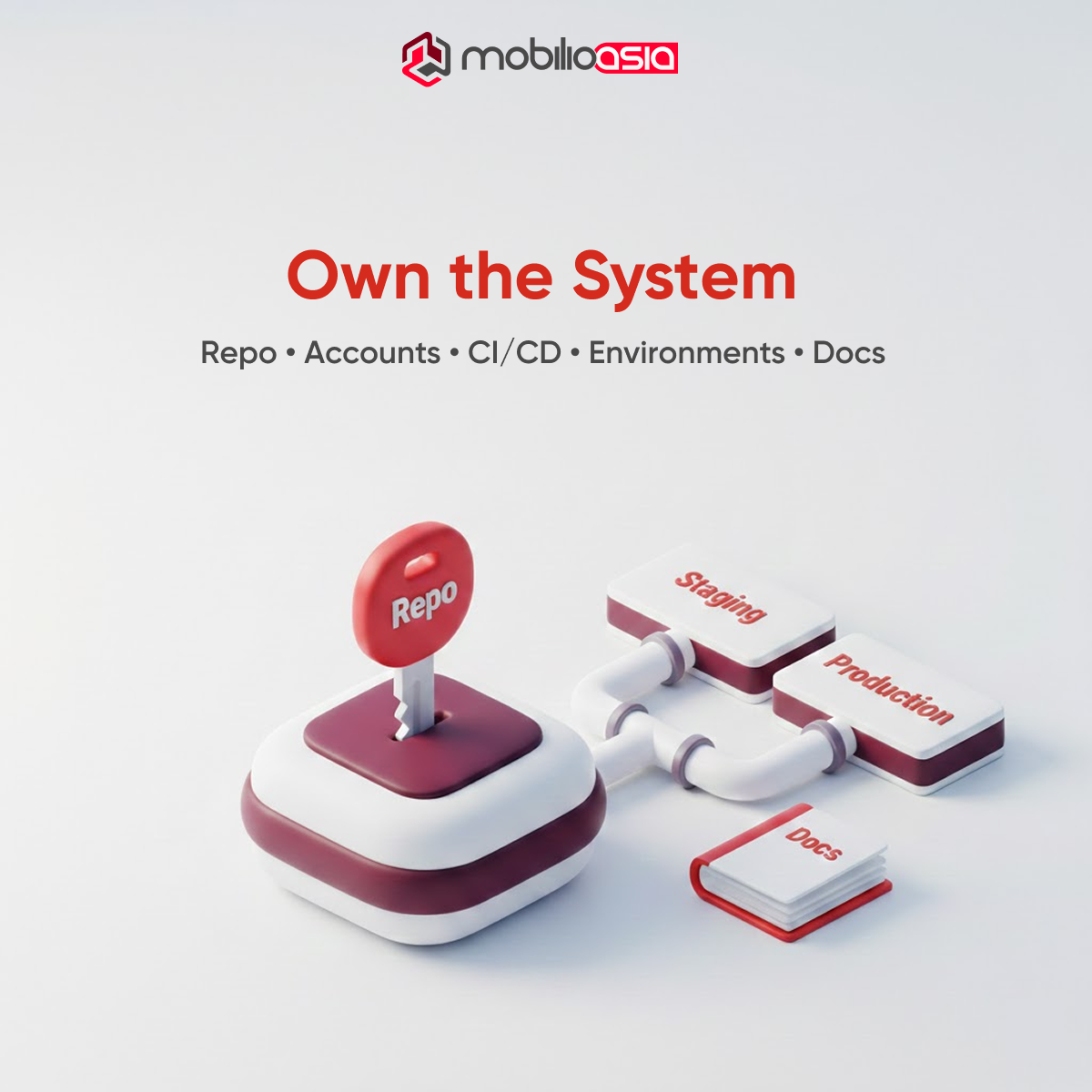
A source code repository that your organization owns
A basic build and deployment pipeline
At least one non-production environment for QA and UAT
Configuration and secrets handling that can be transferred securely
Documentation that enables your internal team to run, deploy, and troubleshoot
Ownership is not a philosophical preference. In website development outsourcing, ownership is what prevents vendor lock-in. It also reduces operational risk during incidents, staffing changes, and future enhancement cycles.
QA deliverables that provide evidence
If a vendor says “we test,” you need to ask “how do you prove it.” Website development outsourcing should include a test plan, test cases for critical flows, defect reports with severity definitions, and release notes for each milestone. Evidence-based QA typically includes a test report summary and a regression checklist before launch.
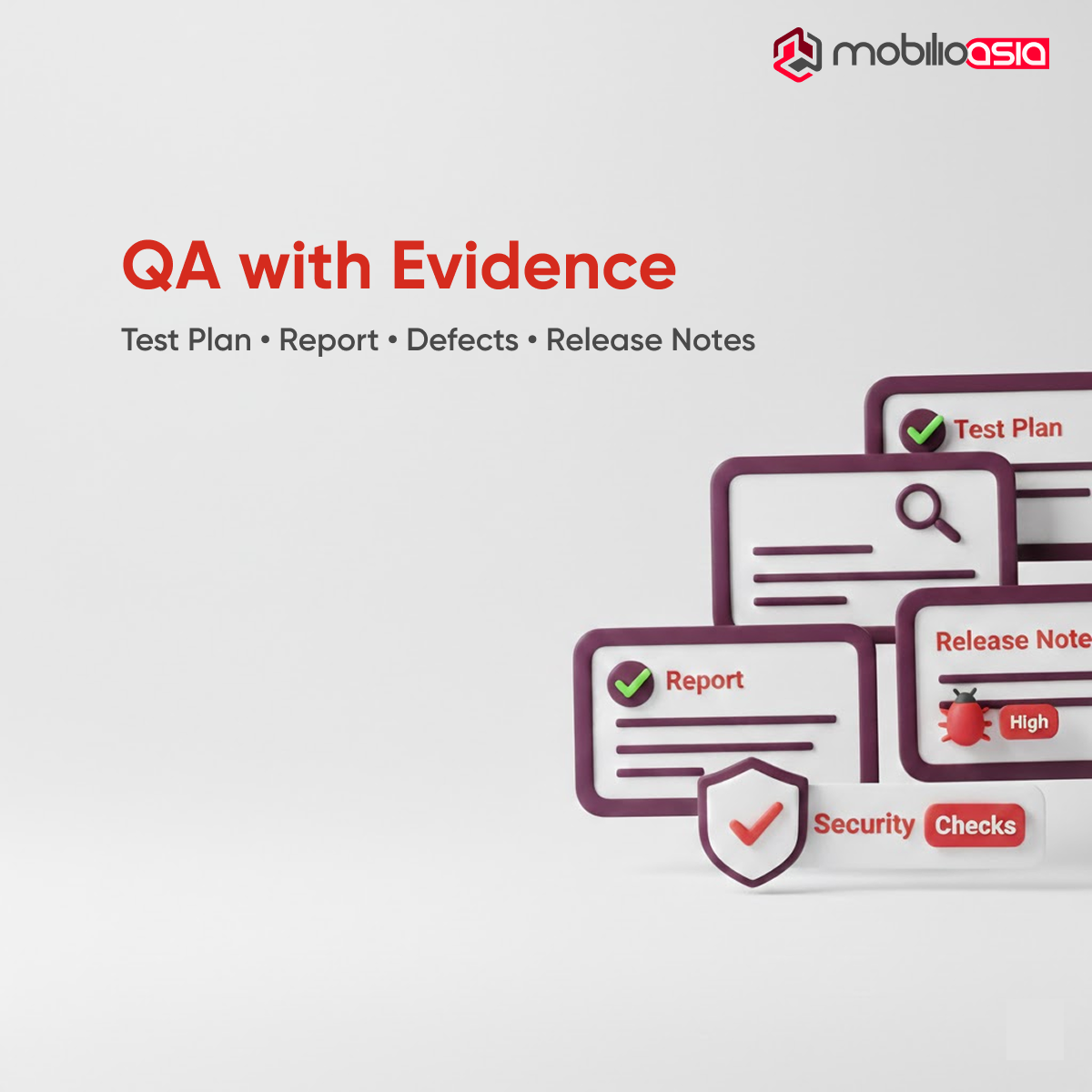
Security verification should also be explicit, especially for sites connected to sensitive data or internal workflows. You can require verification baselines like OWASP ASVS for security controls and secure development practices aligned with NIST SSDF SP 800-218. For leadership-level communication about common risk categories, OWASP Top 10 is a widely recognized reference.
Timeline expectations for website development outsourcing in 2026
A predictable website development outsourcing plan typically includes five phases: discovery, design, build, QA and UAT, launch and warranty. The timeline depends on complexity, but the structure is fairly stable across most engagements.
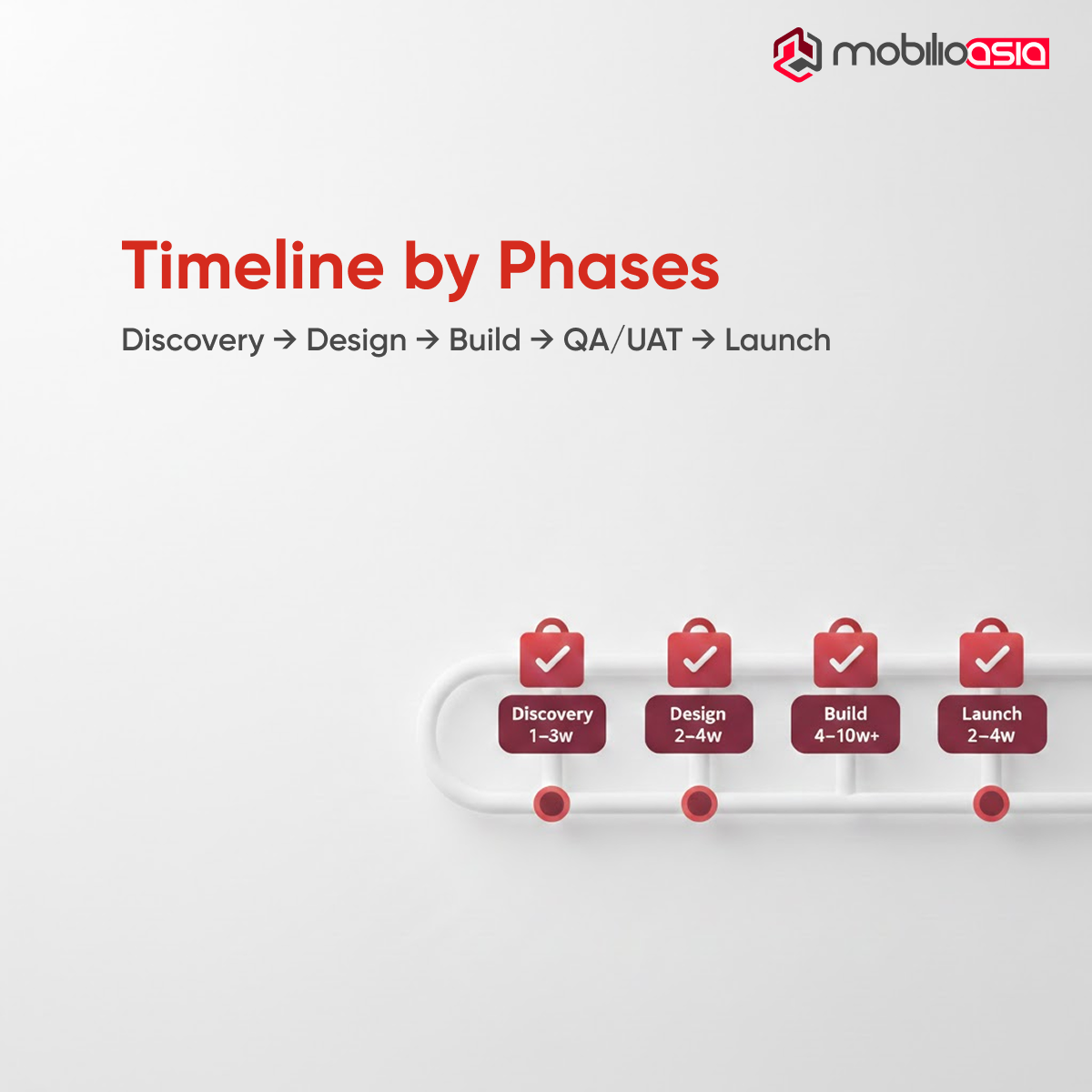
The most common reason teams miss timelines in website development outsourcing is not slow engineering. It is missing decisions, unclear acceptance criteria, and late-stage discovery of constraints like content readiness, integration access, or SEO migration complexity.
Discovery phase: one to three weeks
Discovery aligns stakeholders, defines scope boundaries, builds the backlog, defines acceptance criteria, and produces a delivery plan. For ASEAN teams with multiple stakeholders across countries or business units, decision latency is often the biggest timeline driver. If approvals take a week, every phase expands.
A practical mitigation is to define a decision cadence early. Set a weekly steering review, define a single accountable owner for scope and prioritization, and ensure your BA or PO can make decisions on requirements details without repeated escalations.
Design phase: two to four weeks
Design is typically iterative, with weekly checkpoints and a clear sign-off rule. Your team should review flows and content structure first, then UI and component states. If stakeholders treat design as a place to keep adding features, scope control breaks. When new requirements emerge, they should enter the backlog with impact assessment.
For marketing-heavy websites, stakeholders often underestimate how much product marketing differs from FMCG-style messaging. When your site must educate and build trust, content structure and narrative flow become part of conversion. If you need a reference to align teams on how marketing differs for modern tech products, Marketing AI Products: Why FMCG Thinking Is Holding Tech Companies Back is a useful perspective when shaping content expectations for website development outsourcing.
Build phase: four to ten weeks or more
Build duration depends on scope type and complexity. A small marketing site can be delivered quickly, but integrations, role permissions, multilingual content, SEO migration, performance targets, and accessibility requirements push the build into a more product-like effort.
In website development outsourcing, the safest approach is sprint-based increments with demos. Demos reduce misalignment risk and surface gaps early. Your vendor should be able to demonstrate working slices rather than showing static previews or late-stage merges.
If your organization uses Scrum or Scrum-like cadence, align vocabulary and expectations using the official Scrum Guide. This prevents “Scrum in name only,” which often leads to unpredictable handoffs and unclear acceptance rules in website development outsourcing.
QA and UAT phase: one to three weeks
QA and UAT is where regression, hardening, and release readiness are verified. This phase becomes painful when acceptance criteria and Definition of Done were not enforced earlier. A strong vendor runs QA continuously and uses QA gates to prevent defect accumulation.
UAT should not be the first time stakeholders see cohesive functionality. Stakeholders should have seen incremental demos during the build phase, so UAT becomes a verification activity rather than discovery of missing scope.
Launch and warranty phase: two to four weeks
Launch requires a release plan, rollback plan, monitoring readiness, and clear ownership of DNS and hosting accounts. Warranty should be defined as stabilization and defect fixes rather than open-ended feature expansion.
ASEAN teams often coordinate launches across markets, languages, and marketing calendars. Plan for content freeze, final approvals, and coordination with campaigns. In website development outsourcing, these are part of delivery, not optional tasks.
A typical timeline table for planning discussions
| Phase | Typical duration | Primary outcomes | Release gate expectation |
|---|---|---|---|
| Discovery | 1 to 3 weeks | scope boundaries, backlog, acceptance criteria, delivery plan | discovery sign-off |
| Design | 2 to 4 weeks | wireframes, UI kit, prototype, handoff specs | design sign-off |
| Build | 4 to 10 weeks or more | working increments, repo, environments, CI pipeline | sprint-level Definition of Done |
| QA and UAT | 1 to 3 weeks | regression, UAT support, test evidence, release notes | exit criteria met |
| Launch and warranty | 2 to 4 weeks | go-live, monitoring, stabilization, handover | launch readiness verified |
What drives budget changes in website development outsourcing
Website development outsourcing budgets shift fastest when scope crosses from “pages” into “workflows.” In 2026, the most common budget multipliers are integrations, permissions and auditability, SEO migration complexity, performance requirements, accessibility requirements, and security baselines.
Integrations often create the largest multiplier. Connecting to CRM, payment gateways, analytics platforms, or single sign-on introduces complexity in data flow, retries, error handling, and environment testing. Each integration also creates more QA effort because it requires stable test data and multiple environments.
Role permissions and workflows increase cost quickly. A public marketing site has fewer paths. A site with editors, reviewers, admins, and regional roles creates many UI states and test paths. If you add audit logs, approvals, exports, and reporting, you are building governance features that require design, development, and QA depth.
SEO migration is a common hidden cost. If you are replacing an existing site, you need URL mapping, redirects, canonical rules, sitemap behavior, and structured data continuity. When migration is mishandled, the business cost appears later in lost traffic and leads. For teams coordinating metadata and snippet changes during website development outsourcing, Google’s official references are the most reliable starting point: title links guidance and snippets and meta descriptions guidance.
Performance and accessibility requirements also reshape effort. Strong performance targets require disciplined front-end architecture, caching strategy, and careful asset handling. Accessibility requires component states, keyboard navigation verification, and contrast and labeling discipline. These are measurable and should be included in acceptance criteria rather than requested at the end.
Security and compliance are important budget drivers when your site touches sensitive data, internal workflows, or regulated industries. A reasonable practice baseline is NIST SSDF SP 800-218, paired with verification using OWASP ASVS. For communicating baseline risks to non-security stakeholders, OWASP Top 10 provides a common language.
Roles you should expect in website development outsourcing
Website development outsourcing succeeds when roles are explicit and responsibilities are clear. It fails when planning, QA, and release ownership are missing or overloaded.
At minimum, a predictable website development outsourcing team includes:
A delivery lead or project manager responsible for scope control, cadence, and stakeholder communication
A tech lead responsible for architecture decisions, code standards, and review discipline
Developers aligned to front-end and back-end scope needs
QA as an explicit responsibility, not a spare-time activity
DevOps or cloud support, often part-time, responsible for environments, pipeline, access control, and release readiness
For CTOs and IT leaders, the key is not the number of roles but the clarity of accountability. If QA is not a defined responsibility, verification becomes inconsistent and UAT becomes risky. If release ownership is unclear, launches become stressful and delays become common.
Common risks in website development outsourcing and how to reduce them
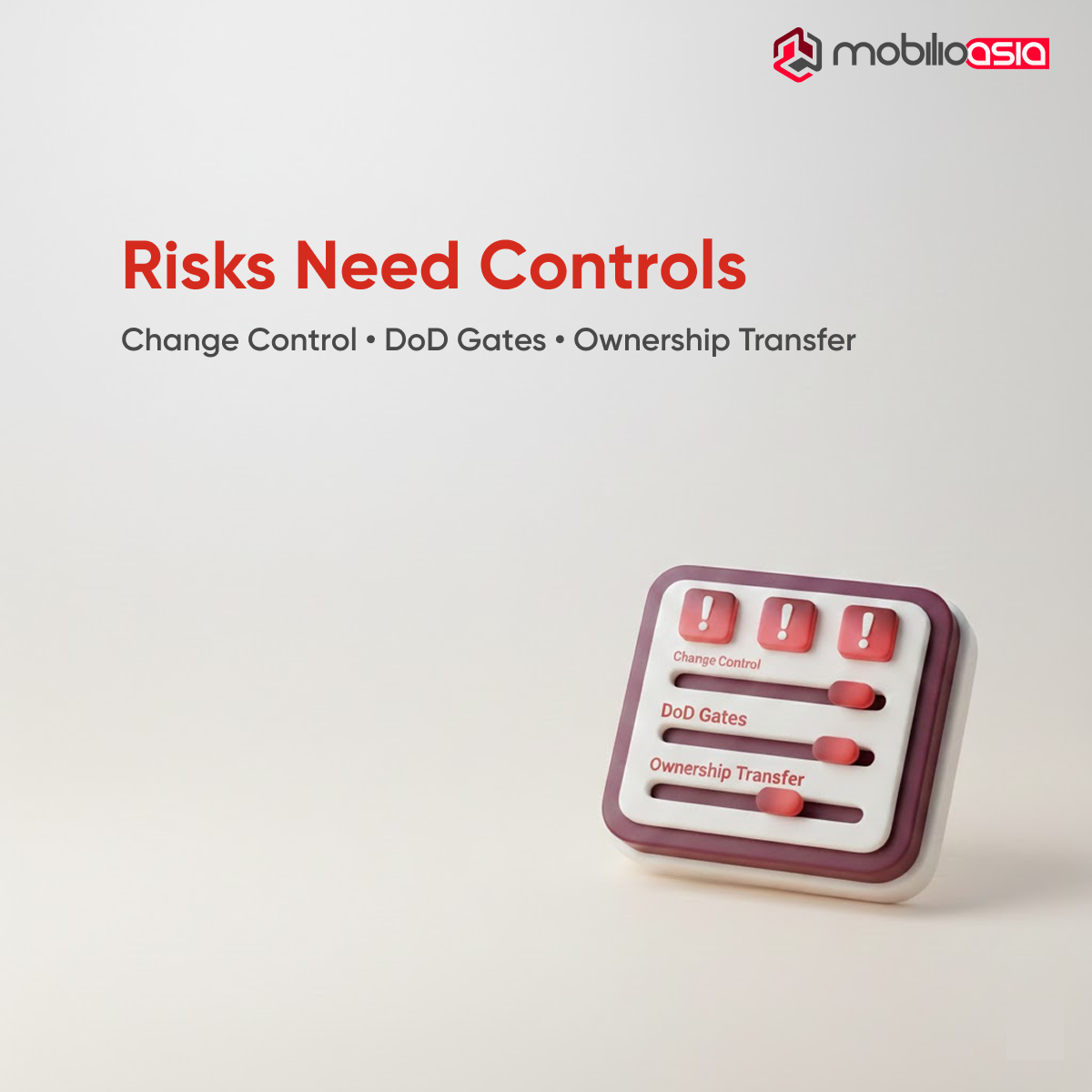
Most failures in website development outsourcing are predictable. They come from scope control breakdowns, weak quality gates, unclear security baselines, and poor ownership transfer.
Scope creep and uncontrolled change
Scope creep is normal. Uncontrolled scope creep is the failure. The mitigation starts with scope boundaries and a prioritized backlog. Then you need a change request process that documents impact on timeline and cost before work begins. Without this, website development outsourcing turns into continuous negotiation, and delivery becomes unpredictable.
If you expect frequent changes, a flexible engagement model often reduces friction. If your scope is stable, a fixed-scope model can work well with strict change control. In both cases, clarity on scope boundaries and acceptance criteria protects delivery.
Quality debt and late-stage rework
Quality debt builds when teams ship incomplete work and plan to fix later. The best mitigation is a Definition of Done that is enforced consistently. Definition of Done should include code review completion, tests passing at the agreed level, QA verification on staging, and release notes updated when behavior changes.
In website development outsourcing, the practical rule is simple: if defects are not controlled sprint by sprint, they will multiply near launch. That is when costs spike and timelines slip.
Security gaps and missing verification
Security gaps appear when baseline practices are unclear and verification is absent. In website development outsourcing, you reduce this risk by requiring secure development practices aligned with NIST SSDF SP 800-218 and using OWASP ASVS as a verification reference. For explaining the “why” in stakeholder terms, OWASP Top 10 gives a recognized risk taxonomy.
The goal is not to turn a website project into a compliance program. The goal is to ensure the vendor has a baseline and a method for verification rather than relying on confidence statements.
Vendor dependency and unclear ownership
Vendor lock-in happens when your organization does not own the repository, hosting accounts, analytics accounts, or documentation. The mitigation is contractual and operational. Your website development outsourcing agreement should specify repository ownership, account ownership, access transfer rules, documentation deliverables, and a handover session as part of completion.
Ownership should be treated as part of done. Website development outsourcing is not complete if you cannot operate the site independently.
Acceptance criteria: how you know website development outsourcing is done
Acceptance criteria make delivery verifiable. Without acceptance criteria, UAT becomes subjective and slow. In website development outsourcing, acceptance criteria should exist for the most important journeys: lead capture, content publishing flow, authentication and roles if present, integrations, analytics events, and critical navigation and search behavior.
A structured acceptance criteria approach is to define conditions, actions, and expected outcomes in plain language so QA can test and business can approve. For role-based workflows, acceptance criteria should specify who can perform actions, what state changes occur, what notifications are triggered, and what restrictions apply.
Definition of Done should be defined early and enforced consistently. A practical Definition of Done typically includes code review completion, tests passing where applicable, QA verified on staging, and documentation or release notes updated for changes that affect operations.
UAT should verify business-critical flows, role paths, error handling, cross-browser behavior, analytics events, and SEO essentials. If your site uses structured data, align implementation with Google’s documentation such as FAQPage structured data guidance.
For content quality expectations and E-E-A-T framing, Google’s official references are helpful for aligning marketing and product teams: helpful, reliable, people-first content guidance and the discussion in E-E-A-T gets an extra E.
Contracting and governance that make website development outsourcing work
Website development outsourcing contracts should protect outcomes, not only define payments. The most important clauses are scope control, quality gates, access control, intellectual property ownership, handover requirements, and incident support during launch.
Fixed-scope contracts work best when scope is stable and documented in discovery. Dedicated team models work best when scope evolves and you want continuous delivery without constant renegotiation. Staff augmentation works best when you have strong internal product and engineering leadership and need additional capacity.
Regardless of model, governance needs to define cadence, decision owners, and access rules. Define who approves scope changes, who signs off UAT, and who authorizes production release. Define how access is managed for repositories and environments. In website development outsourcing, unclear access is a recurring source of delays and incidents.
Vendor selection for ASEAN teams and the Vietnam advantage
Vietnam can be a strong option for website development outsourcing across ASEAN when you want a strong value-to-delivery ratio and workable collaboration overlap. The deciding factor is process maturity, communication discipline, and evidence of real delivery, not marketing claims.
When evaluating a vendor for website development outsourcing, focus on relevance and evidence. Ask for case studies similar to your scope. Similar means similar integration complexity, similar governance requirements, similar migration needs, and similar performance expectations. Ask to see discovery templates and example acceptance criteria. Ask what QA evidence is produced each sprint. Ask how release readiness is decided. Ask who owns the repository and accounts after launch.
Communication matters in multi-stakeholder ASEAN environments. Validate English reporting discipline, escalation expectations, and decision cadence. These factors influence speed and predictability more than many teams expect.
If your stakeholders need a stronger regional justification for vendor selection beyond price, Why Vietnam Is Becoming Asia’s Fastest-Growing Software Outsourcing Hub in 2026 can support the business case by framing talent, cost dynamics, and regional delivery trends.
A practical way to demonstrate trust and expertise on your site
In 2026, buyers are skeptical of generic content. The easiest way to make your website development outsourcing content more credible is to show how you work, not only what you claim.
Add clear bylines with real roles such as delivery lead, QA lead, and tech lead. Add an editorial review note with reviewer and last updated date. Link to relevant case studies and outcomes. If you can share redacted artifacts safely, include examples of backlog structure, acceptance criteria format, and test report summaries.
Also ensure company information, privacy policy, and terms are visible. For enterprise buyers, trust signals affect shortlist decisions, especially when choosing a partner for website development outsourcing.
FAQ for website development outsourcing in 2026
How long does website development outsourcing take in 2026?
For many projects, a realistic structure is discovery for one to three weeks, design for two to four weeks, build for four to ten weeks or more, QA and UAT for one to three weeks, and launch with warranty for two to four weeks. The exact duration depends on integrations, permissions, migration complexity, and decision latency.
What deliverables should I require in website development outsourcing?
Require scope boundaries, a prioritized backlog with estimates, acceptance criteria for critical flows, a delivery plan with cadence and sign-offs, design handoff package, repository and environment access, QA evidence such as test reports, and a handover package that enables your internal team to operate the site.
What drives cost increases most often?
Integrations, complex roles and permissions, SEO migration, multilingual governance, performance requirements, accessibility requirements, and security baselines are common multipliers. These should be identified early in discovery so you do not discover them late in QA.
Do developers testing their own work replace QA?
Developer testing is necessary, but independent QA responsibility reduces blind spots, improves regression discipline, and provides evidence for UAT sign-off. In website development outsourcing, skipping QA often creates higher costs near launch.
Who should own the repository and infrastructure after delivery?
Your organization should own the repository and production accounts. Ownership reduces vendor dependency and operational risk. Website development outsourcing should include access transfer and documentation as completion requirements.
What security baseline is reasonable for a website project?
A practical approach is to align secure development practices with NIST SSDF SP 800-218 and verify key controls using OWASP ASVS, while using OWASP Top 10 as a shared vocabulary for risk categories.
How to approach website development outsourcing in 2026 with confidence
Website development outsourcing in 2026 becomes predictable when you treat it as a managed delivery system. Require structured discovery outputs before sprint work begins. Enforce acceptance criteria and Definition of Done consistently. Expect QA evidence and sprint-level quality gates. Protect ownership through repository and account control, and ensure handover is part of completion.
If your roadmap is pushing beyond pages into workflows and governance, align early that you are entering product-like complexity. If your strategy depends on mobile behavior and data-informed iteration, define those expectations upfront so design, build, and QA align from day one.
With these controls in place, website development outsourcing is no longer a gamble. It becomes a repeatable way to ship, learn, and improve across ASEAN markets.